The pension question
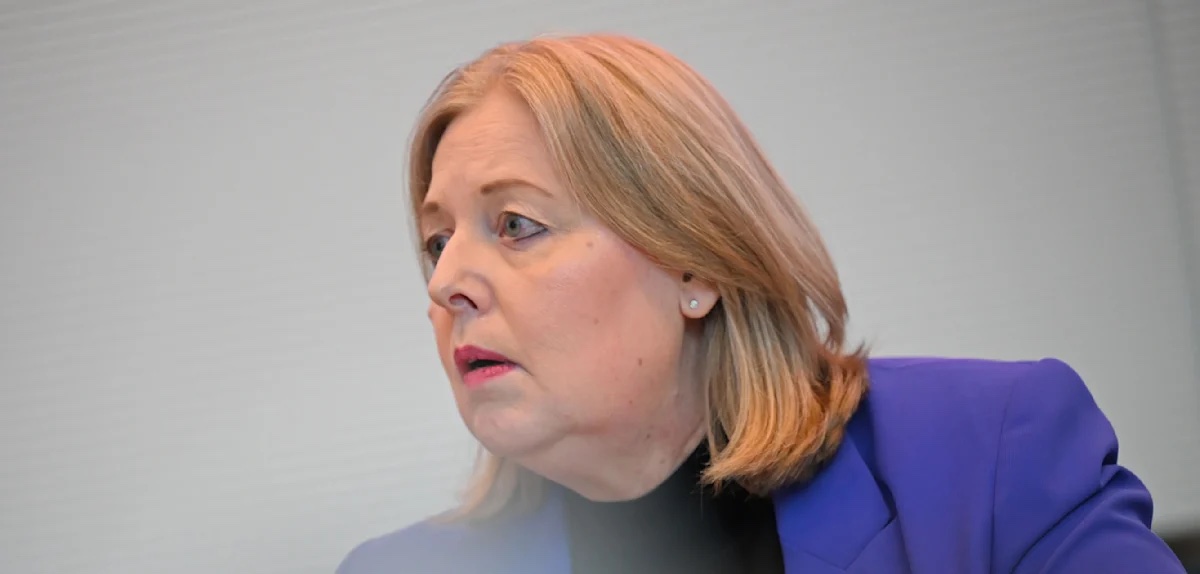
More people drawing pensions, fewer paying in. Since 2025 Bärbel Bas has steered a first pension package through Parliament and received a commission’s blueprint for a much larger reform. This page keeps four things apart: what is law, what the government proposes, what experts recommend and what critics say.
- Contribution rate 2026
- 18.6% of gross wages
- Pension level floor
- 48% until 1 July 2031
- Pension increase
- +4.24% on 1 July 2026
- Commission report
- 23 June 2026 · 33 recommendations
§ 01Four columns
Law · Proposal · Recommendation · Criticism
Status as of 7 October 2026.
Rentenpaket 2025: pension level 48% to 2031; Mütterrente III from 2027. Bundestag 5 Dec 2025, Bundesrat 19 Dec 2025, in force 1 Jan 2026.
Aktivrente: up to €2,000/month tax-free for employees past retirement age, since 1 Jan 2026.
Company pensions (BRSG II): mostly in force since 22 Jan 2026.
Frühstart-Rente: €10 a month from the state into a funded account for each child aged 6 to 18 — bill in the Bundestag since September 2026 (lead: Finance Ministry).
Comprehensive reform: the Chancellor and Bas pledged to implement the commission’s package in full; the coalition endorsed it on 2 July 2026. No cabinet bill had been published by early October 2026.
Alterssicherungskommission (chairs: Frank-Jürgen Weise, Prof. Constanze Janda), 33 unanimous recommendations, including:
- a mandatory funded pension of 2% of wages
- retirement age linked to life expectancy
- including the self-employed and MPs
- full pension coverage of minijobs
Junge Gruppe (CDU/CSU): the 48% floor costs up to €15bn a year after 2031 — a burden on younger generations.
Unions & parts of SPD: oppose any rise in retirement age.
Civil-servant unions: rejected Bas’s 2025 call to include civil servants.
§ 02 · The problem
Demography meets pay-as-you-go
Germany’s statutory pension insurance is financed on a pay-as-you-go basis: contributions from today’s employees and employers pay today’s pensions, topped up by a large federal subsidy from the general budget. The system works well while the ratio of contributors to pensioners is stable. It is not: the large cohorts born between the mid-1950s and late 1960s are retiring now, and smaller cohorts follow.
That leaves three adjustment levers, each politically painful:
- Higher contributions — the Pension Insurance Report 2025 projects the rate rising from 18.6 per cent to around 20 per cent by 2029 and 21.2 per cent by 2039.1
- A lower pension level — the ratio of a standard pension to average earnings, which the 48 per cent floor holds until 2031.
- Longer working lives — the retirement age is already rising to 67 by 2031.
A fourth lever is to broaden the base: more people in work, more women in full-time employment, more immigration, and more groups paying into the system. The commission recommends several of these at once.
§ 03Chronology
From package to commission
„Wenn wir diese Reform machen, so, wie sie jetzt auch vorliegt, dann wird es für alle besser.“
“If we carry out this reform as it now stands, things will get better for everyone.”
Intergenerational fairness
The central conflict is between generations: security for those near retirement against contribution burdens for those starting work. Whether the commission’s package resolves it is the open political question of the 2026 autumn session.
Sources
- BMAS, Rentenversicherungsbericht 2025. bmas.de
- cash-online, Beamtenbund criticises Bas pension proposal, May 2025. cash-online.de
- t-online, seven Union MPs vote against the pension package, Dec 2025. t-online.de
- BMAS, Rentenkommission 2026. bmas.de
- BMAS, cabinet approves 2026 pension adjustment. bmas.de
- ZDFheute, coalition reform package, July 2026. zdfheute.de
- Federal Government, press conference on the pension commission report, 23 June 2026. bundesregierung.de
- Federal Ministry of Finance, Frühstart-Rente bill, 12 Aug 2026. bundesfinanzministerium.de